










Add Length
Create a longer finished style without waiting for natural hair to grow.
Beginner’s Guide
A clear introduction to hair extensions, including the main methods, essential terminology, colour matching, fitting, maintenance and aftercare.
Getting started
Hair extensions are additional sections of hair used to add length, volume, thickness or tonal variation to natural hair. They may be made from human hair or synthetic fibres and are available in temporary and professionally fitted formats.
Create a longer finished style without waiting for natural hair to grow.
Increase fullness through the lengths and ends for a thicker appearance.
Introduce highlights, lowlights or mixed tones without colouring every section.
Wear options
The first major decision is whether you want extensions you can apply and remove yourself, or a method that stays in the hair and requires professional maintenance.
Clip-in extensions are ideal for occasional length, added volume, events and customers who do not want ongoing salon appointments.
Nano tip, tape-in and weft extensions are normally fitted by a trained professional and require maintenance as the natural hair grows.
Hair quality
Human hair extensions generally offer more natural movement and styling flexibility, while synthetic extensions are made from manufactured fibres and may have more limitations.
| Feature | Human Hair | Synthetic Hair |
|---|---|---|
| Appearance | Usually offers more natural movement | Can appear less natural depending on fibre quality |
| Heat Styling | Often possible with suitable heat protection | May be limited or unsuitable |
| Washing | Usually possible with suitable care | Depends on the fibre and manufacturer guidance |
| Longevity | Generally longer with correct care | Usually shorter |
| Price | Typically higher | Typically lower |
Key terminology
Understanding the language used to describe extension hair makes it easier to compare quality, density, fitting method and expected finish.
Hair processed so the cuticles remain aligned in the same direction, helping support a smoother finish.
Hair commonly described as not chemically processed. Definitions can vary between suppliers.
Contains a mixture of lengths, creating a naturally tapered finish through the ends.
Contains a higher proportion of similar-length hairs, creating fuller and thicker ends.
A wider strip or row of extension hair designed to be fitted across sections of the head.
An individual extension section, commonly used with nano tip, micro ring or bonded methods.
Extension methods
The fitting method describes how the extension hair is attached. It is different from the hair range, which describes the characteristics and quality of the hair itself.
Wefts attached with small clips and removed after wear.
Explore clip-ins →Individual strands fitted using very small rings.
Explore nano tips →Thin wefts attached using flat adhesive tabs.
Explore tape-ins →Wider rows of extension hair fitted using a selected weft method.
Explore wefts →Choosing extensions
The most suitable method should reflect your natural hair, desired result, lifestyle, budget and willingness to follow a maintenance routine.
Length and volume
The amount required depends on whether you want added volume, extra length or a complete transformation. Fine hair may need less, while thick, short or blunt-cut hair may require more.
Colour matching
Extensions are usually matched to the mid-lengths and ends rather than only the roots. Lighting, cameras, screens and tonal variation can all affect how a shade appears.
Compare shades in bright, indirect daylight whenever possible.
Include roots, mid-lengths and ends in colour-match photos.
Filtered images can alter both warmth and depth.
Highlighted or balayage hair may suit a blend of two colours.
Photo colour matching provides a recommendation based on the images supplied. Lighting, cameras, screens, filters and natural tonal variation can affect colour appearance.
Fitting and maintenance
Temporary extensions are removed after wear, while professionally fitted methods require scheduled maintenance as the natural hair grows.
Assess natural hair, desired result, method and colour.
Install the selected method with appropriate placement and weight distribution.
Reposition, retape, tighten or refit according to the method.
Use the correct technique and products to remove extensions safely.
Aftercare
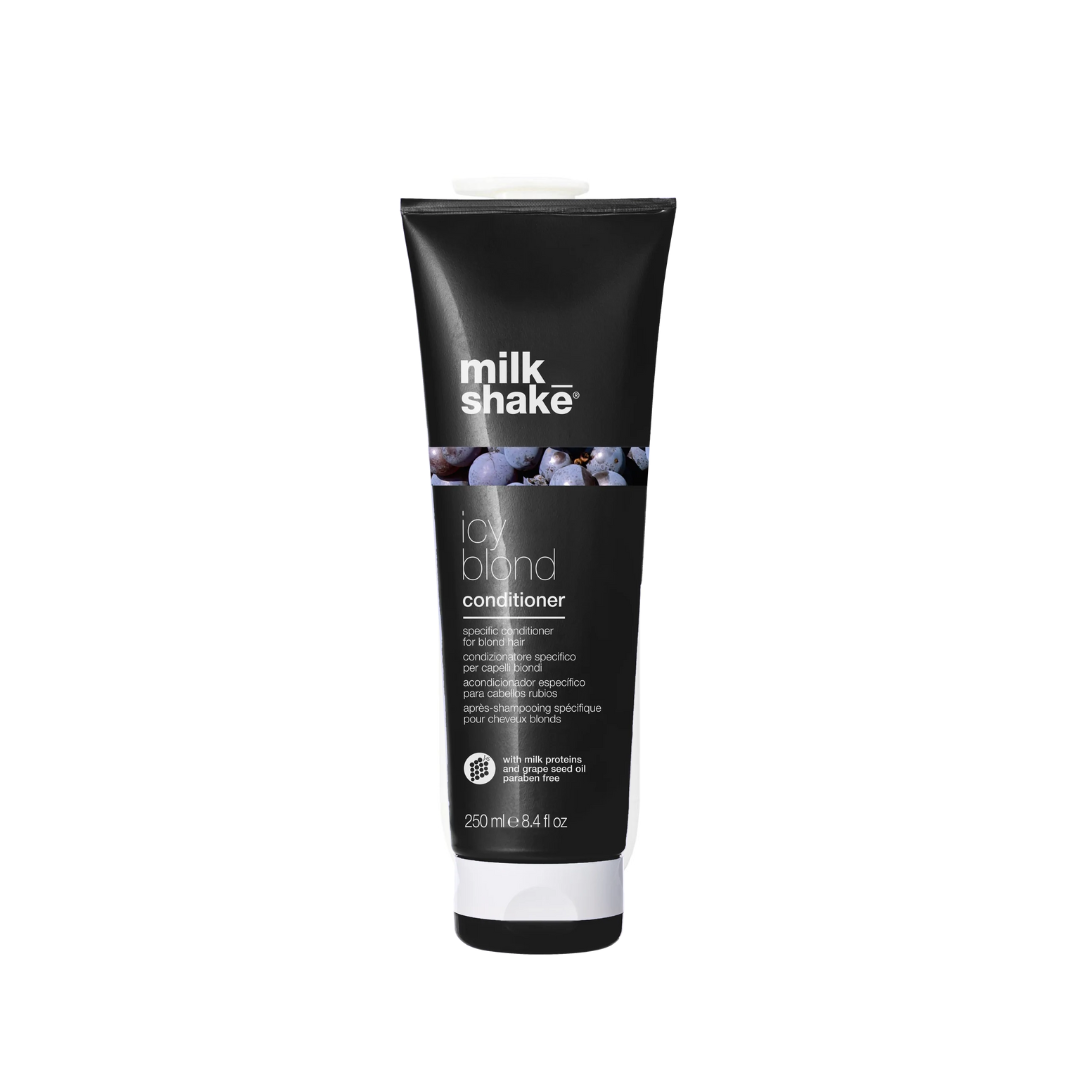
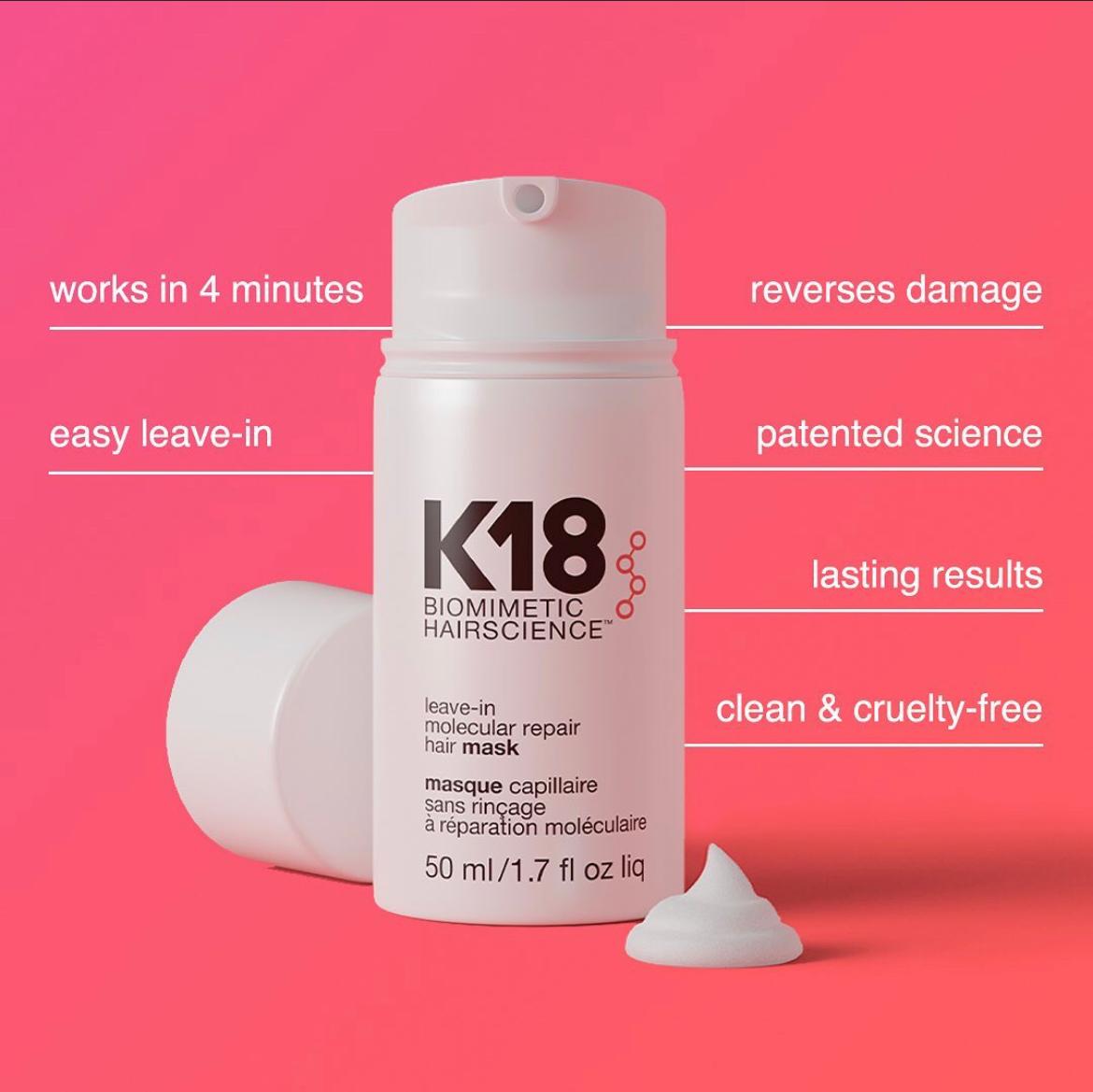
Correct aftercare helps protect softness, reduce tangling and maintain the appearance of both temporary and professionally fitted extensions.
Work from the ends upwards and support attachment areas.
Choose extension-friendly cleansing and conditioning products.
Avoid applying conditioner directly to tapes, rings or bonds.
Do not leave attachment areas damp or sleep with wet extensions.
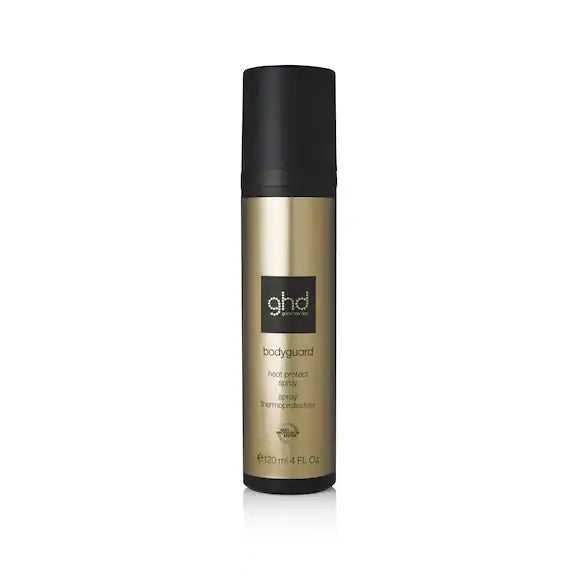
Apply protection before using heated styling tools.
Different application systems require different care.
Frequently asked questions
Next step
Compare the main methods, use our Match Finder or browse our human hair extension collections.
The Cosmetologist
499 Anlaby Road,
Kingston upon Hull
HU3 6DT
Telephone: 01482 506070
Email: info@thecosmetologists.co.uk
