













Dry and damaged hair is one of the most common concerns we see at The Cosmetologists — and one of the most treatable. Whether your hair has been weakened by bleaching, colouring, heat styling or simply years of wear, the right products and routine can make a dramatic difference. Here's our complete professional guide to fixing dry and damaged hair.
How Do You Know If Your Hair Is Damaged?
Before treating damaged hair it helps to understand what kind of damage you're dealing with. The most common signs are:
Breakage — hair snapping when you brush or style it, or finding short broken hairs throughout your lengths.
Lack of elasticity — healthy hair stretches slightly when wet and returns to its natural length. Damaged hair either doesn't stretch or snaps when stretched.
Dryness and roughness — hair that feels rough to the touch, looks dull and lacks the natural shine of healthy hair.
Split ends — the hair shaft splits at the ends when the protective cuticle has been stripped away.
Porosity — damaged hair is highly porous, meaning it absorbs water quickly but loses moisture just as fast. If your hair gets wet very quickly in the shower but also dries very quickly, high porosity is a sign of damage.
Frizz — damaged cuticles don't lie flat, causing the hair to absorb moisture from the air and frizz in humid conditions.
Understanding your specific type of damage helps you choose the most targeted treatment — which is exactly what the professional ranges at The Cosmetologists are designed to do.
What Causes Hair Damage?
Bleaching and chemical processing — the most aggressive cause of hair damage. Bleach breaks apart the disulphide bonds inside the hair shaft to lift colour, fundamentally altering the hair's structure. The higher the lift and the more frequently bleach is applied, the more damage accumulates.
Heat styling — repeated use of straighteners, curling tongs and hair dryers without heat protection causes the hair's protein structure to break down over time, leading to dryness, brittleness and breakage.
Colour treatments — permanent hair colour uses peroxide and ammonia that open the cuticle to deposit colour molecules. Repeated colouring, particularly with lifting shades, weakens the hair fibre progressively.
Mechanical damage — aggressive brushing, tight hairstyles, sleeping on rough pillowcases and towel-drying hair roughly all cause physical damage to the hair shaft.
Environmental damage — UV exposure, chlorine, salt water, hard water and pollution all damage hair over time — stripping moisture, fading colour and weakening the cuticle.
The Best Products for Damaged Hair
There are three brands our professional team at The Cosmetologists recommends above all others for genuinely repairing damaged hair — Olaplex, K18 and Kérastase. Each works differently and addresses different aspects of damage.
Olaplex — For Bond Repair
Olaplex's patented bond-building technology is the gold standard for repairing chemically damaged hair. Its active ingredient seeks out and reconnects broken disulphide bonds inside the hair shaft — the same bonds destroyed by bleaching and colouring. The results are cumulative, meaning hair gets progressively stronger with consistent use.
The best Olaplex routine for damaged hair:
Weekly repair treatment: Olaplex No.0 Intensive Bond Building Treatment applied to dry hair, followed immediately by Olaplex No.3 Hair Perfector on top. Leave both together for 45 minutes then rinse and shampoo. This is the most intensive at-home repair treatment available from Olaplex.
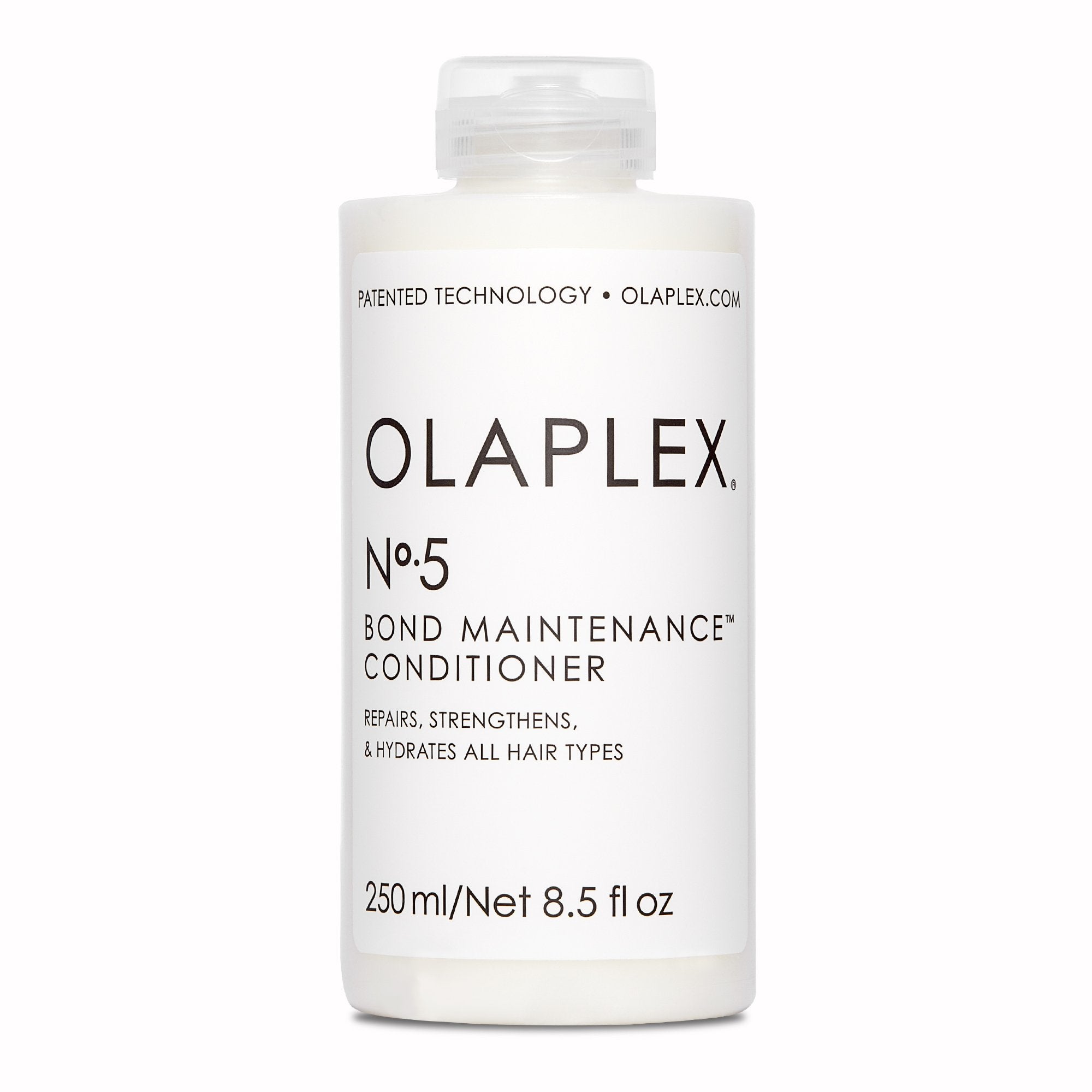
Every wash: Olaplex No.4 Bond Maintenance Shampoo followed by Olaplex No.5 Bond Maintenance Conditioner. Both continue the bond-building process while cleaning and conditioning.
Fortnightly: Olaplex No.8 Bond Intense Moisture Mask for deep moisture alongside structural repair.
Daily styling: Olaplex No.7 Bonding Oil for heat protection and shine, or Olaplex No.6 Bond Smoother for frizz control.
K18 — For Fast Molecular Repair
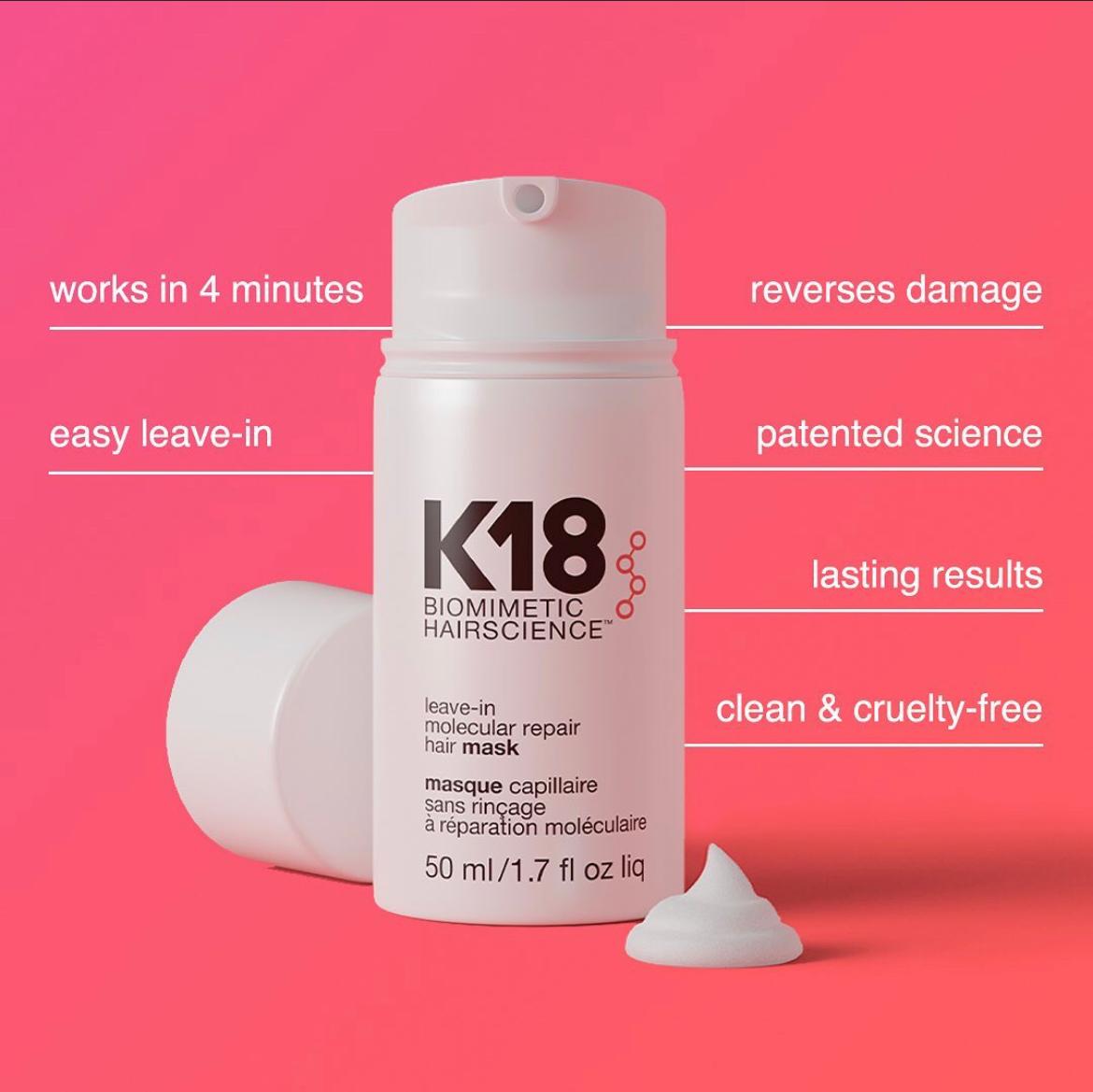
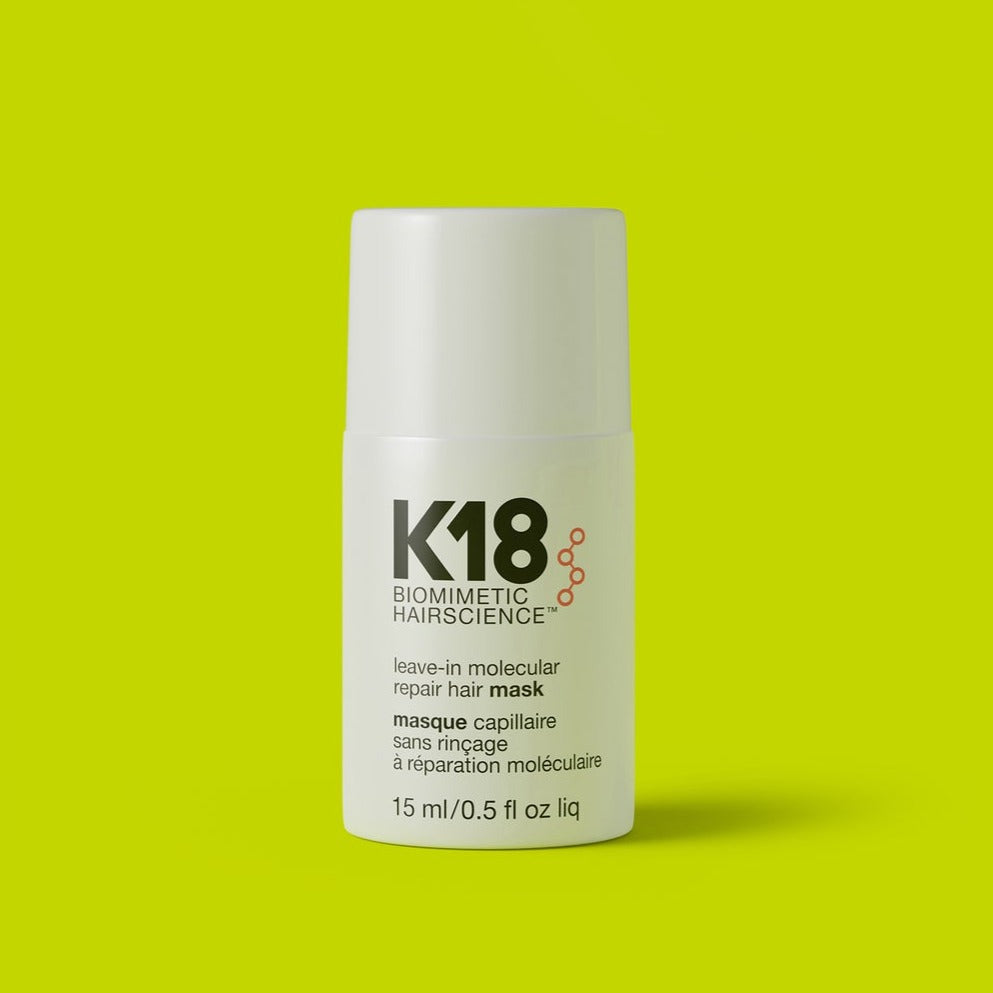
K18 targets a different aspect of hair damage to Olaplex. While Olaplex repairs disulphide bonds, K18's patented K18Peptide reconnects broken polypeptide chains — the deeper molecular framework that gives hair its strength, stretch and softness.
The K18 Molecular Repair Hair Mask delivers visible results in just 4 minutes and is completely weightless — making it ideal for fine or thin damaged hair that can't handle heavy treatments. It's leave-in, meaning you apply it after shampooing and don't rinse it out.
Many professional stylists use both Olaplex and K18 together — they complement each other by targeting different types of bond damage simultaneously. Use K18 mask after shampooing, then style as normal.
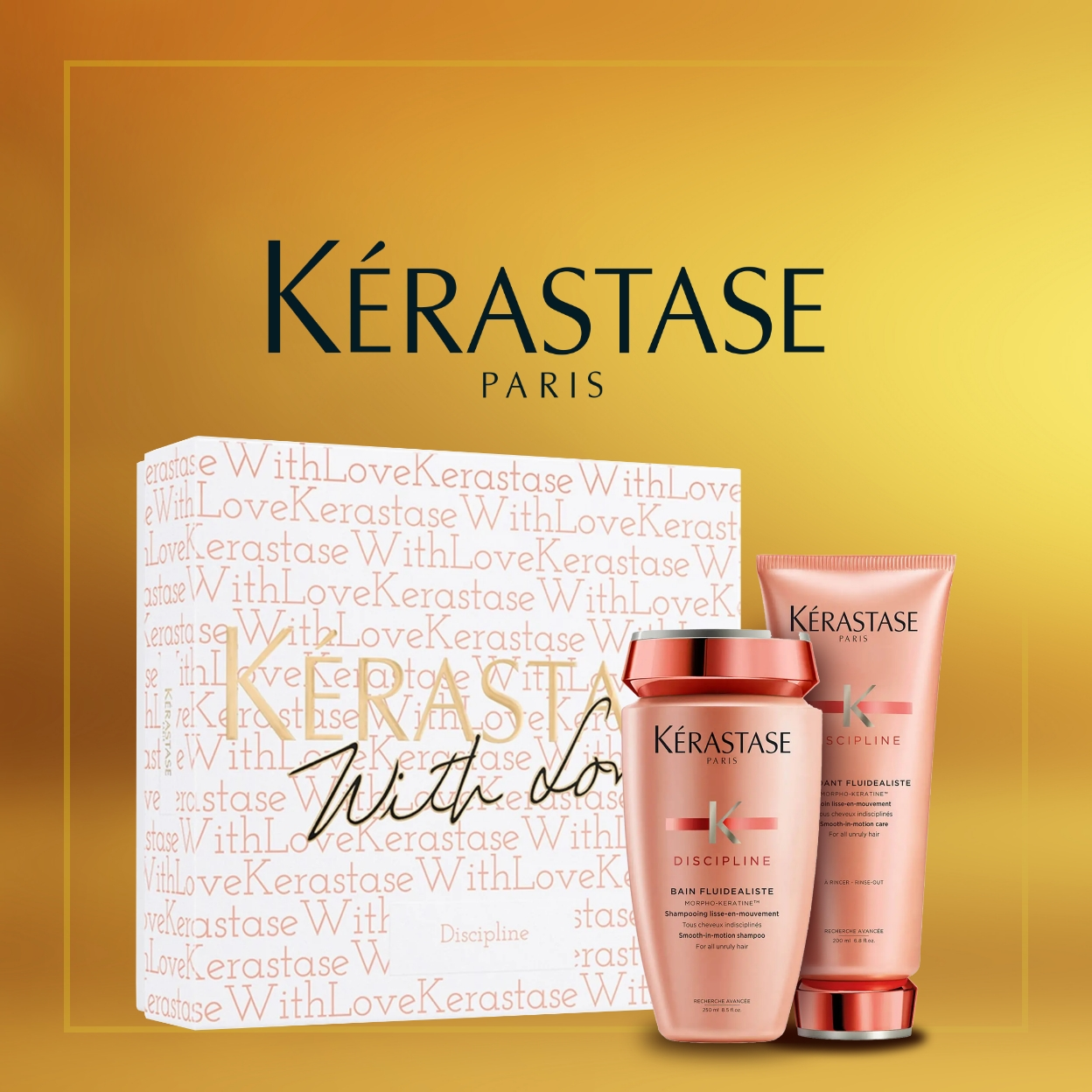
Kérastase Résistance — For Nourishment Alongside Repair
Kérastase Résistance uses Fibra-Plex technology to strengthen the internal hair fibre and provide intensive nourishment alongside structural repair. It addresses the dryness and lack of manageability that comes with damaged hair — making hair look and feel healthier while the deeper repair happens.
The Résistance range is the best choice if your damaged hair also needs significant moisture, shine and improved manageability. The Masque Force Architecte is a standout product — a reconstruction mask that delivers visible softness and smoothness in one application.
The Best Routine for Dry and Damaged Hair
Here's a complete weekly routine for damaged hair using professional products:
Wash day — twice a week maximum:
Step 1 — Apply Olaplex No.0 to dry hair, leave 10 minutes, apply No.3 on top, leave 45 minutes, then rinse. Do this once a week.
Step 2 — Shampoo with Olaplex No.4 or Kérastase Résistance Bain Force Architecte. Lather twice, rinse thoroughly.
Step 3 — Apply K18 Molecular Repair Mask to towel-dried hair. Leave 4 minutes — do not rinse.
Step 4 — Apply Olaplex No.5 or Kérastase Fondant Magistral conditioner from mid-length to ends. Leave 3–5 minutes, rinse.
Step 5 — Apply Olaplex No.7 Bonding Oil or Moroccanoil Treatment to damp hair before blow drying for heat protection and shine.
Styling:
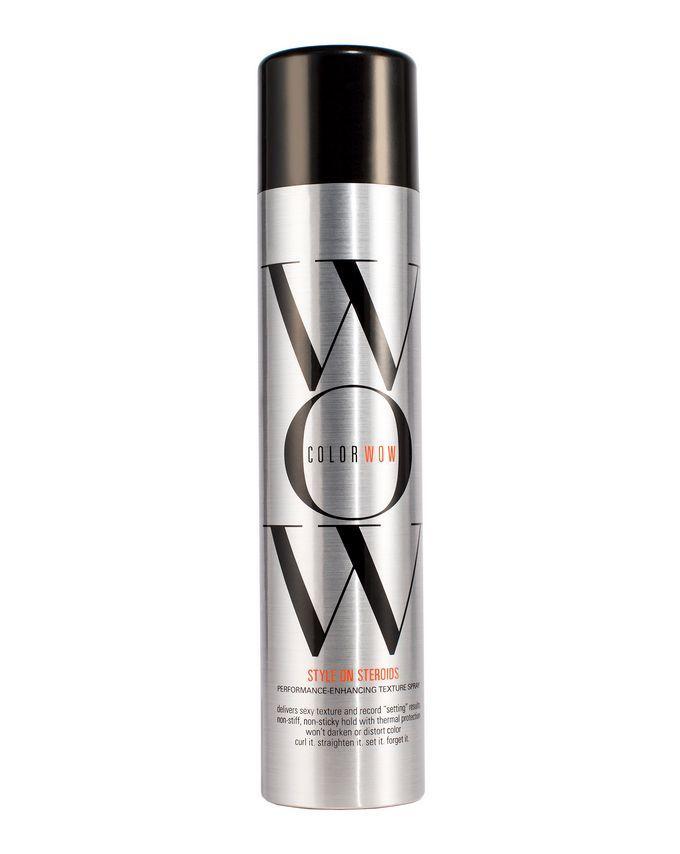
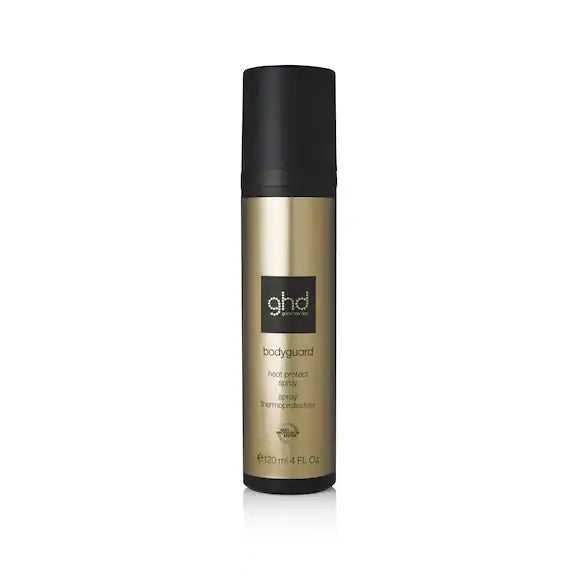
Always use heat protection before any heated tools. Olaplex No.7, Moroccanoil Treatment and Color WOW Dream Coat are all excellent options that protect while adding shine.
Use ghd tools at 185°C rather than maximum temperature — this delivers the same styling result with significantly less heat damage.
Weekly:
Use Olaplex No.8 Bond Intense Moisture Mask or Kérastase Masque Force Architecte once a week as a standalone deep treatment for maximum repair and nourishment.
Daily:
Protect your hair while you sleep — switch to a silk or satin pillowcase to reduce friction. Loosely braid hair before sleeping to prevent tangling and mechanical damage overnight.
What to Avoid With Damaged Hair
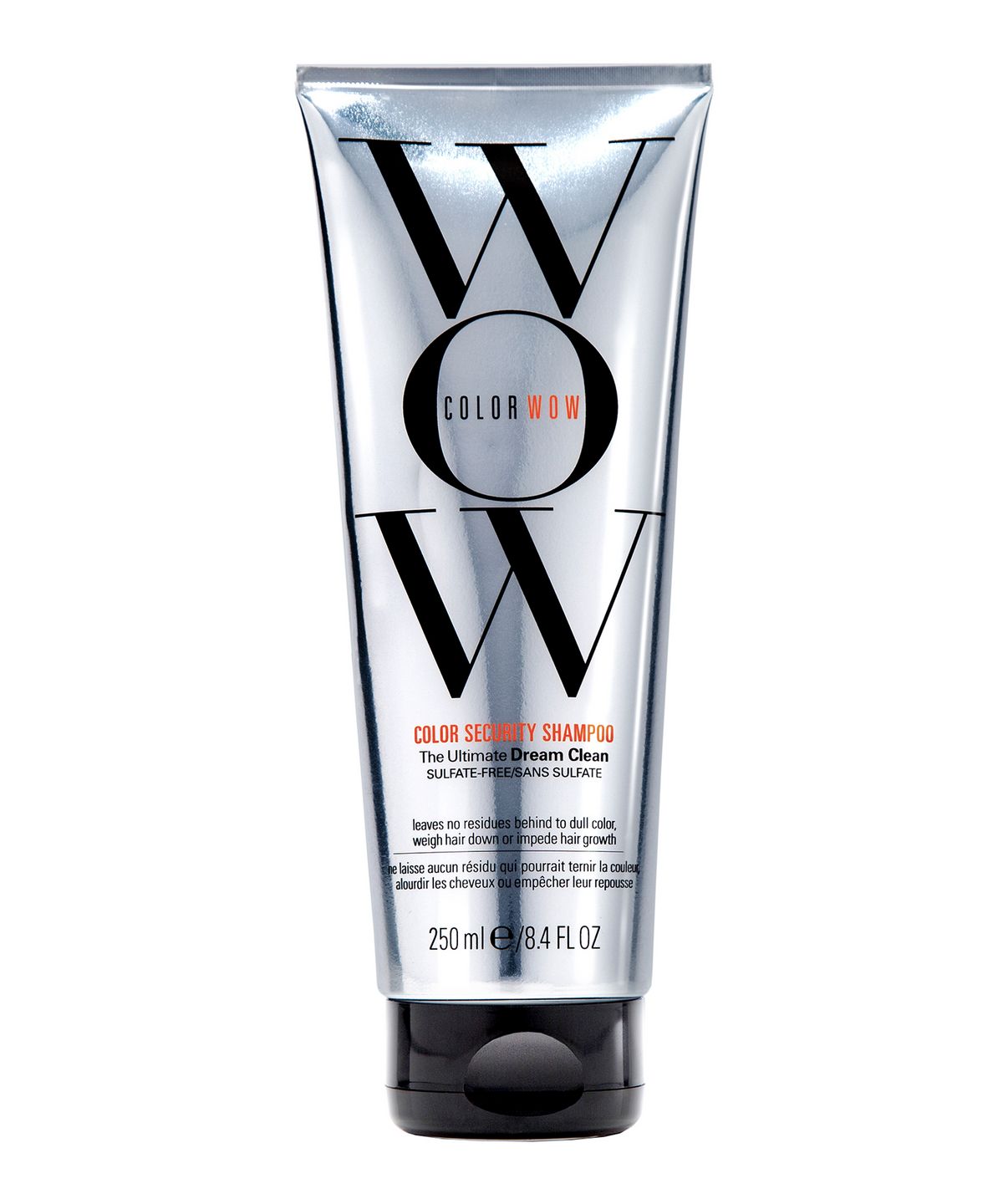
Avoid sulphate shampoos — they strip natural oils and moisture from already depleted hair. Always use sulphate-free shampoos on damaged hair.
Avoid excessive heat — if your hair is severely damaged, reduce heat styling frequency and always use heat protection. Give your hair at least 2–3 days between heat styling sessions.
Avoid tight hairstyles — tight ponytails, braids and hair ties cause additional mechanical stress on already weakened hair. Use silk hair ties and avoid styles that pull on the roots.
Avoid bleaching or colouring damaged hair — if your hair is severely damaged, speak to your stylist about a hair health treatment plan before any further chemical processing.
Avoid brushing wet hair aggressively — wet hair is at its most fragile and most vulnerable to mechanical damage. Always detangle gently with a wide-tooth comb or loop brush, starting from the ends and working upward.
How Long Does It Take to Fix Damaged Hair?
This is the most common question we get asked at The Cosmetologists and the honest answer is that it depends on the severity of the damage and how consistently you follow a repair routine.
For mildly damaged hair — noticeable improvement in 4–6 weeks of consistent use of bond-building treatments.
For moderately damaged hair — significant improvement in 8–12 weeks. Hair will feel progressively stronger, softer and more manageable.
For severely bleached or chemically damaged hair — full recovery can take 3–6 months of consistent treatment. In some cases where damage is extreme, a professional trim to remove the most damaged sections alongside a repair routine delivers the fastest visible results.
Consistency is everything — using Olaplex or K18 once won't transform severely damaged hair. Used consistently as part of a weekly routine they genuinely rebuild hair structure over time.
When to See a Professional
If your hair is severely damaged — breaking in large amounts, feeling like straw or refusing to hold a style — it's worth booking a consultation with our professional team at The Cosmetologists before starting a home treatment routine. In some cases a professional in-salon treatment alongside home care delivers significantly faster results.
Call us on 01482 692703 or visit us at 499 Anlaby Road, Hull to book a consultation. We'll assess your hair, recommend the right products and put together a personalised repair plan.
Where to Buy the Best Products for Damaged Hair
As official authorised UK stockists of Olaplex, K18, Kérastase and Moroccanoil, every product at The Cosmetologists is 100% genuine. Fast UK delivery on all orders, free on orders over £50.
Shop Olaplex → Shop K18 → Shop Kérastase → Shop all damaged hair products →
Related Guides
Comparing Olaplex, K18 and Kérastase in more detail? Read our Best Products for Bleached and Damaged Hair guide.
Want to know exactly which Olaplex products to use? Read our Complete Olaplex Guide for a full breakdown of No.0 through No.9.
Have hair extensions alongside damaged hair? Read our Hair Extension Aftercare Guide for the best products to use on extensions.

